I visited Myoban Yunosato, a hot spring destination in Beppu, Oita Prefecture.
Beppu is famous for its onsen, but this one turned out to be among the most memorable hot springs I've ever visited.
Can you believe you can soak in a milky-white sulfur hot spring for just ¥800?
The water felt wonderful, and even after about 20 minutes, my whole body was warm. I was surprised by how long that warmth lasted after I got out.
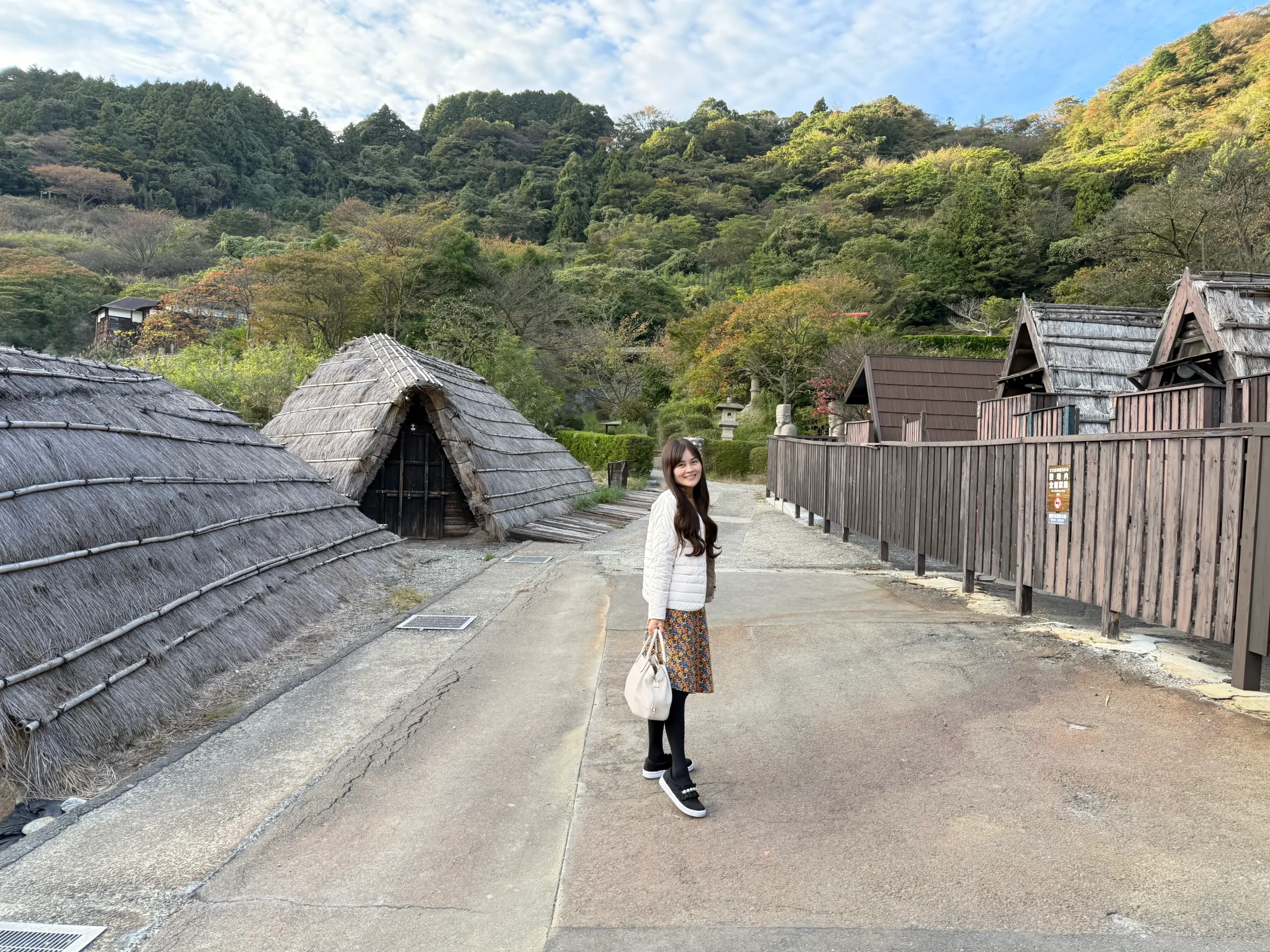
The grounds are lined with thatched-roof huts, creating scenery that reminded me of Shirakawa-go.
Besides soaking in the hot spring, you can see the traditional Yunohana production huts and browse the souvenir shop. There's plenty to enjoy even beyond the baths.
Here's my experience at Myoban Yunosato, along with details about the bathing facilities, prices and how to get there.
Getting to Myoban Onsen by Bus from Umitamago Aquarium
Earlier that day, I had enjoyed a visit to Oita Marine Palace Aquarium, better known as Umitamago, before heading to Myoban Onsen.
READ MORE
-

-
Umitamago Aquarium in Oita: Touch a Walrus, Meet Dolphins Up Close & More!
I visited Umitamago Aquarium, one of Oita Prefecture's most popular attractions! I've been to plenty of aquariums around Tokyo, but what surprised me most about Umitamago was just how close you can get to the marine animals! I got to touch a huge walrus and feed an Asian small-clawed otter. And when I called out to a dolphin, it actually swam over to me! I had no idea an aquarium could make you feel this close to the animals! I also noticed lots of families visiting with three generations—children, parents and grandparents. With plenty of places to sit and take ...
続きを見る
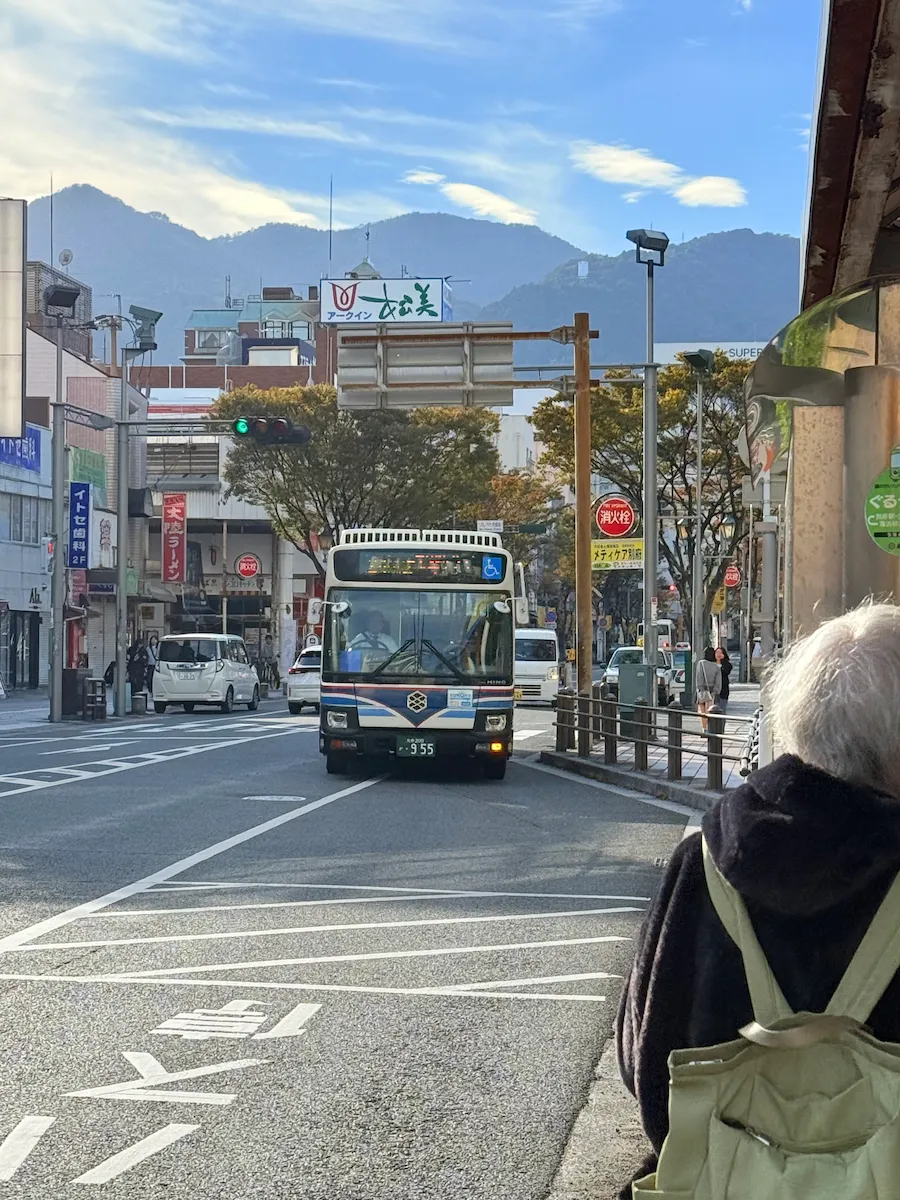
First, I took a bus from Umitamago toward central Beppu.
Then I transferred to another bus near the Tokiwa department store and continued toward Myoban Onsen.
The nearest stop to Myoban Yunosato is Jizoyu-mae.
From there, it was only about a three-minute walk.
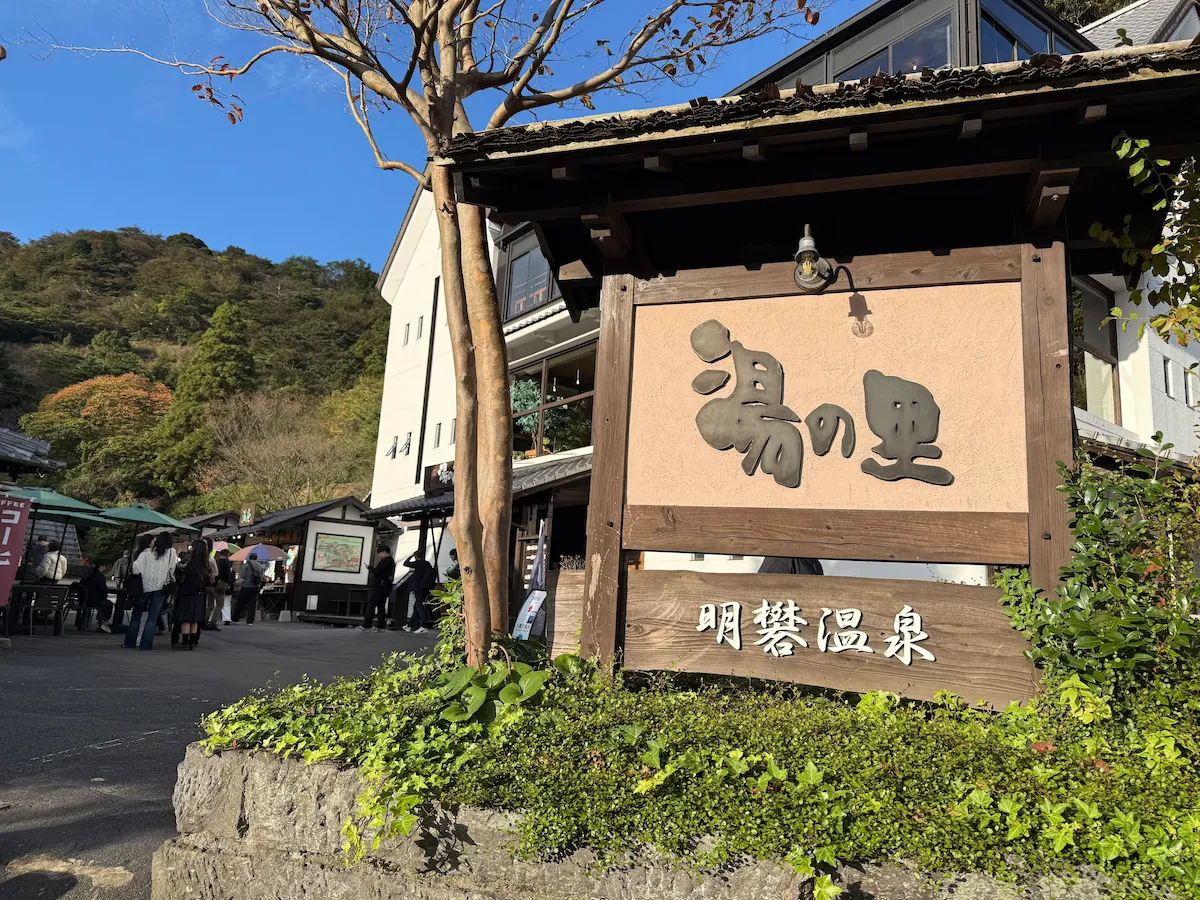
It's a little way from central Beppu, but it's accessible by bus, making it a good option even if you're traveling without a rental car.
Shirakawa-go in Beppu? Beautiful Thatched Roofs and Rising Steam
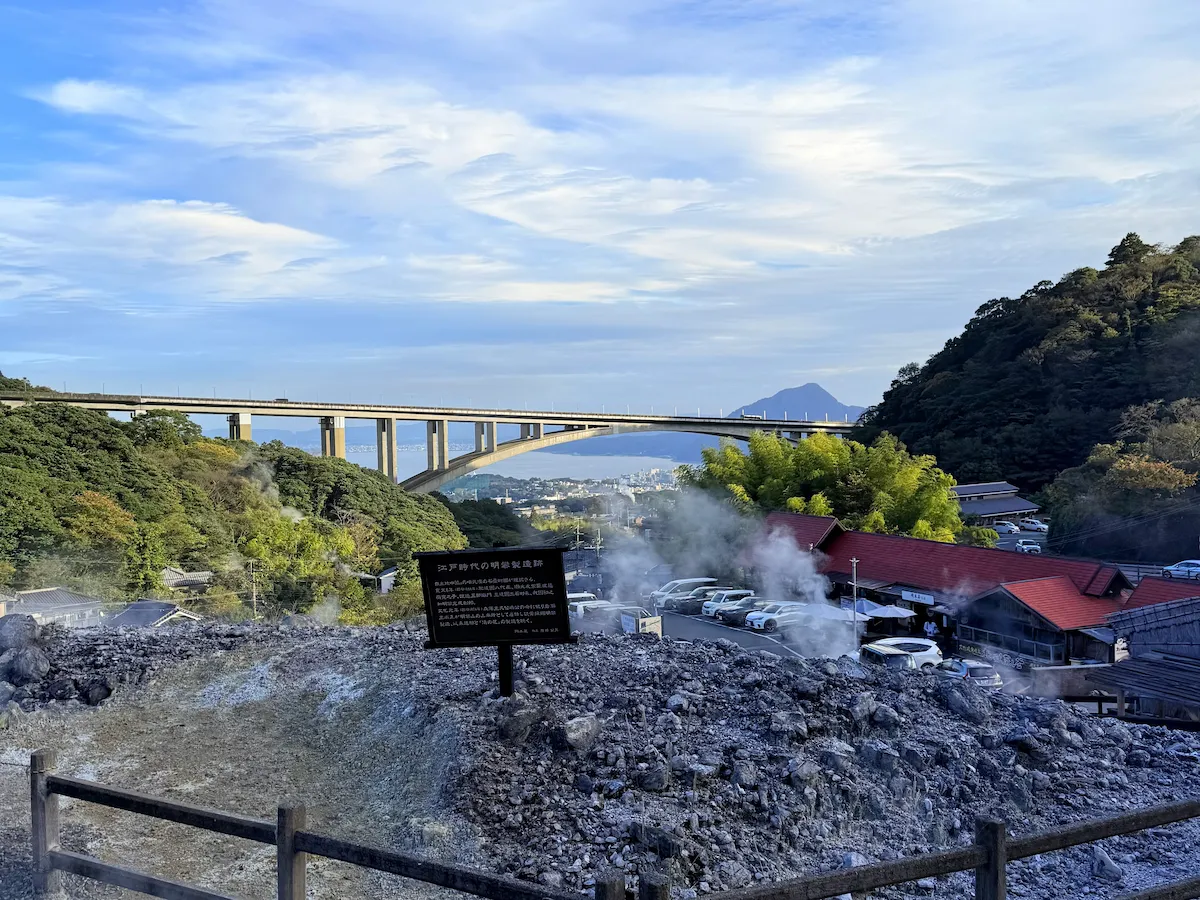
The first thing that caught my eye was the scenery.
Myoban Yunosato sits on elevated ground surrounded by mountains, with Myoban Bridge visible in the distance.
White steam rises here and there, giving the whole area that wonderful atmosphere you hope to find in a Japanese hot spring town.
It felt quite different from visiting an onsen in the middle of the city.
And as I ventured a little farther in...
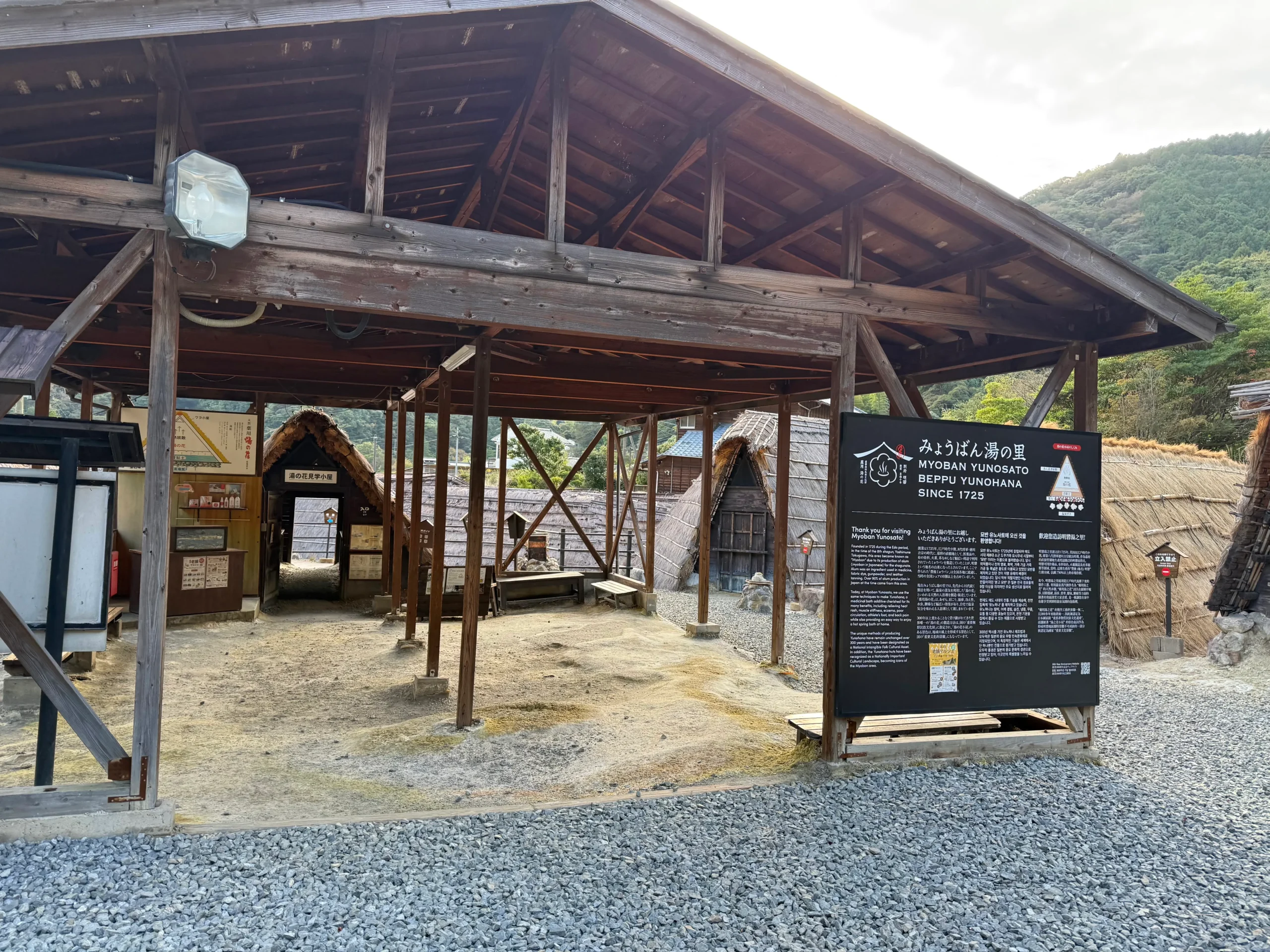
It looked just like Shirakawa-go!
Several charming thatched-roof huts stood against the mountains.
The traditional-looking buildings reminded me of Shirakawa-go, the famous historic village in Gifu Prefecture.
Who knew there was a place like this in Beppu?
Before I'd even taken a bath, I was already enjoying the sightseeing.
As it turns out, these huts have a fascinating connection with the history of Myoban Onsen.
Yunohana Huts with Around 300 Years of History
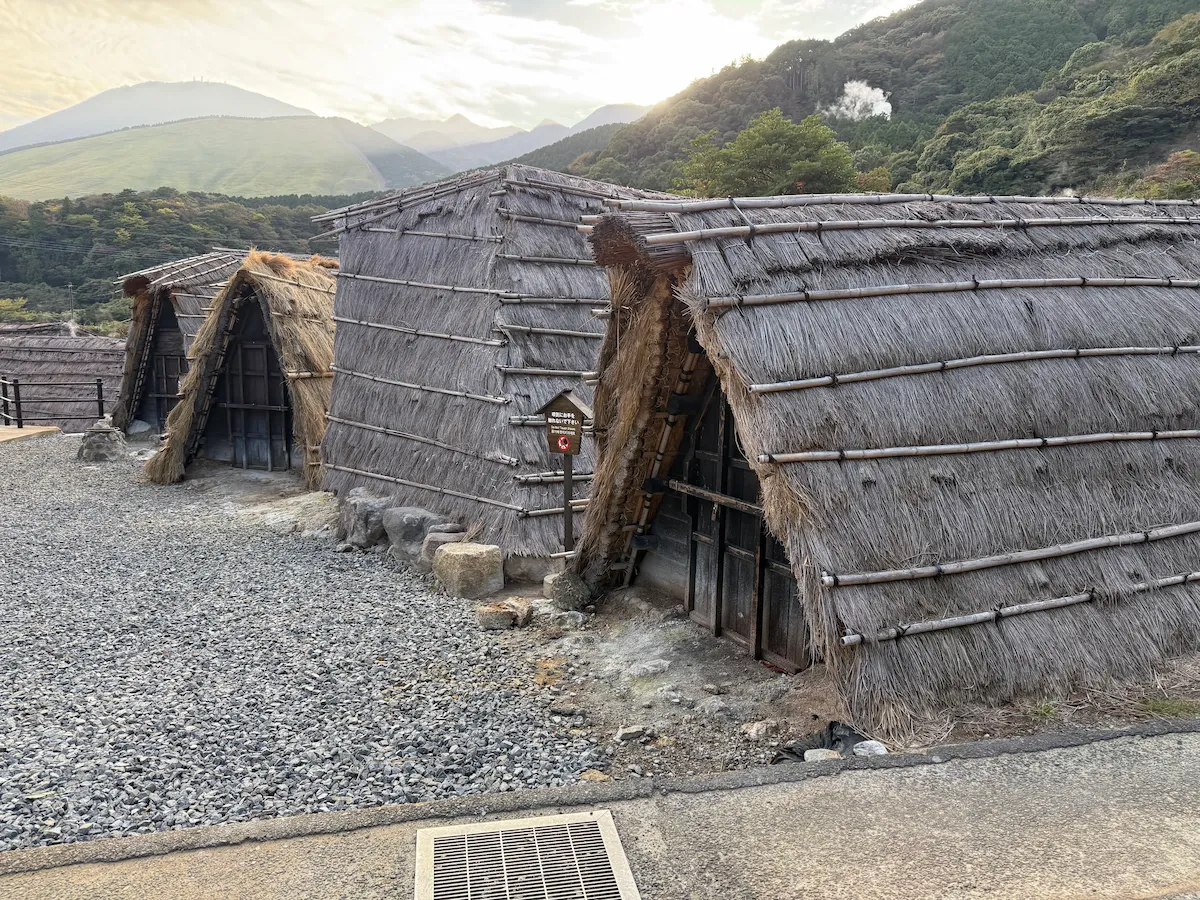
At first glance, the thatched-roof huts look rather like old Japanese houses.
In fact, they're used to produce Yakuyo Yunohana, a traditional mineral bath product.
Yunohana refers to mineral substances that form from hot spring-related components.
At Myoban Yunosato, Yunohana is made using techniques passed down for around 300 years, dating back to the Edo period.
The production technique has even been designated an Important Intangible Folk Cultural Property of Japan.
It's remarkable that such an old tradition is still being practiced here.
You can also see the Yunohana production process free of charge.
Private Family Baths in Thatched-Roof-Style Huts
Another interesting detail is that some huts modeled on the Yunohana production buildings are actually private hot spring baths.
Yes, you can bathe inside one of those charming thatched-roof-style structures.
They're an appealing option for families or couples who want to enjoy an onsen together in private.
I didn't use a private family bath this time, but bathing in such an unusual setting sounds lovely.
Note: The working Yunohana production huts and the private bathing huts are separate facilities.
Try Sulfur Hot Spring Water for Free at the Hand Bath
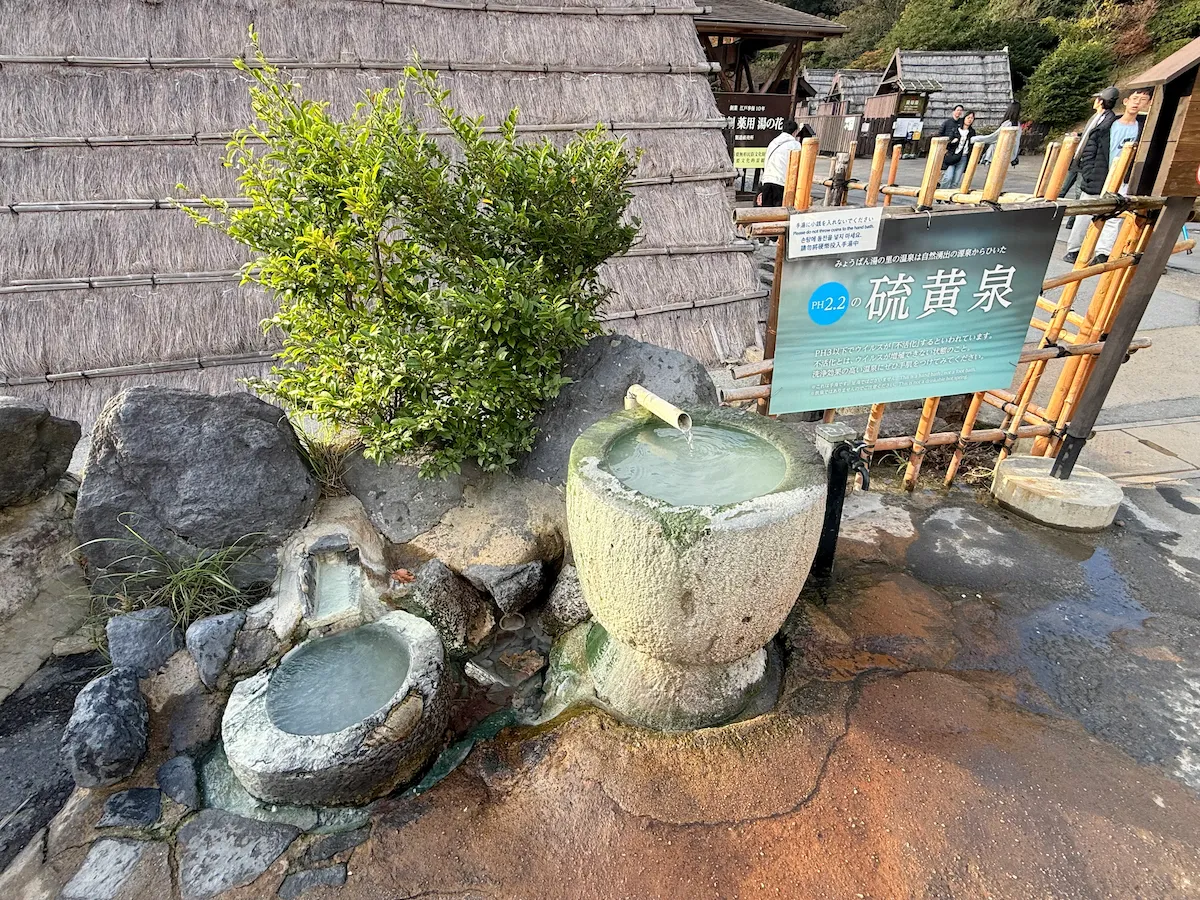
As I explored the grounds, I spotted a small pool of cloudy, milky-white water.
It was a teyu, or hand bath, where you can dip your hands into the hot spring water.
According to the sign, the sulfur spring water has a pH of 2.2.
The milky-white water looked exactly like the sort of hot spring I'd come to Beppu to experience.
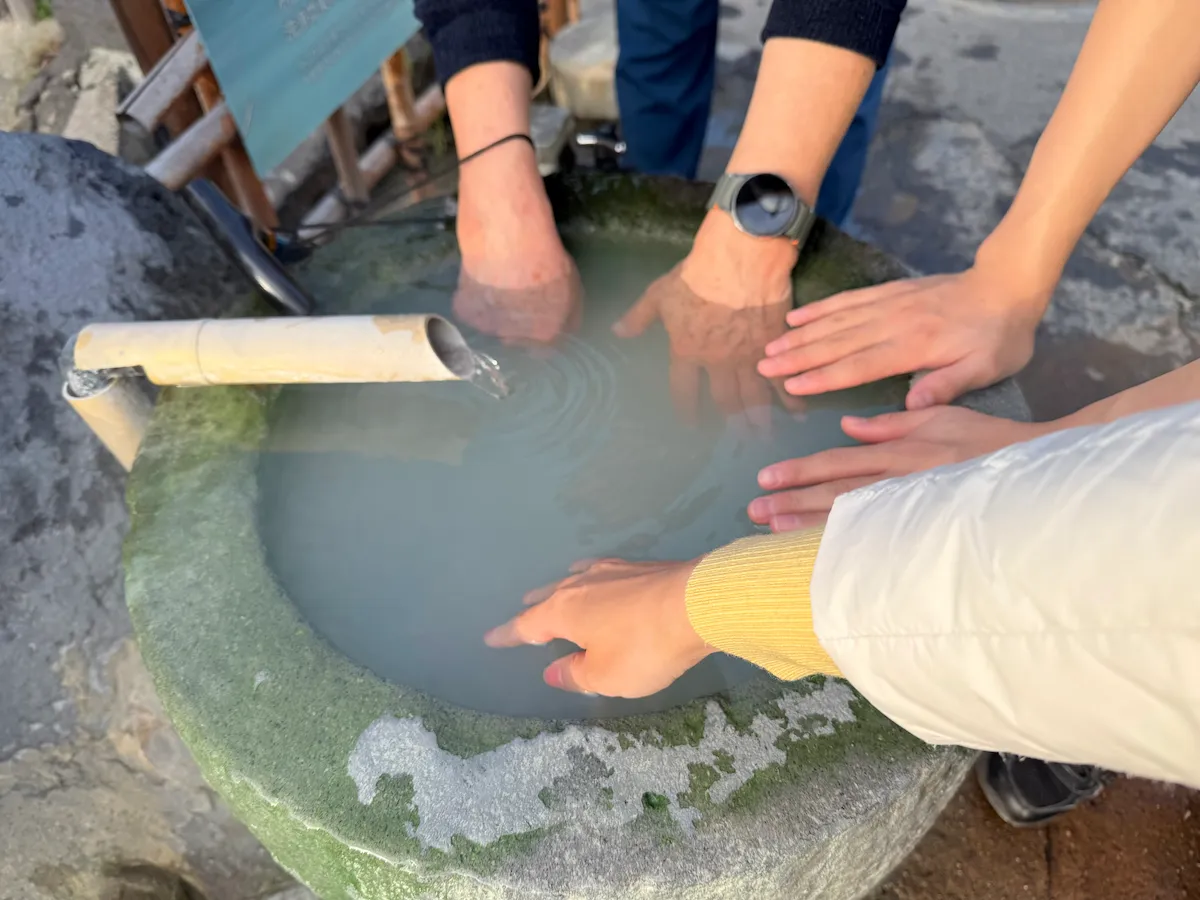
Other visitors were dipping their hands in, so I gave it a try too.
The water was a little on the hot side.
Still, it was nice to get a feel for the sulfur-rich spring water so easily.
And it's free, so even if you don't have time for a full bath, you can enjoy a small taste of the onsen experience.
Since the water is strongly acidic, take care if you have sensitive skin or cuts on your hands.
Soaking in Milky-White Sulfur Water for Just ¥800
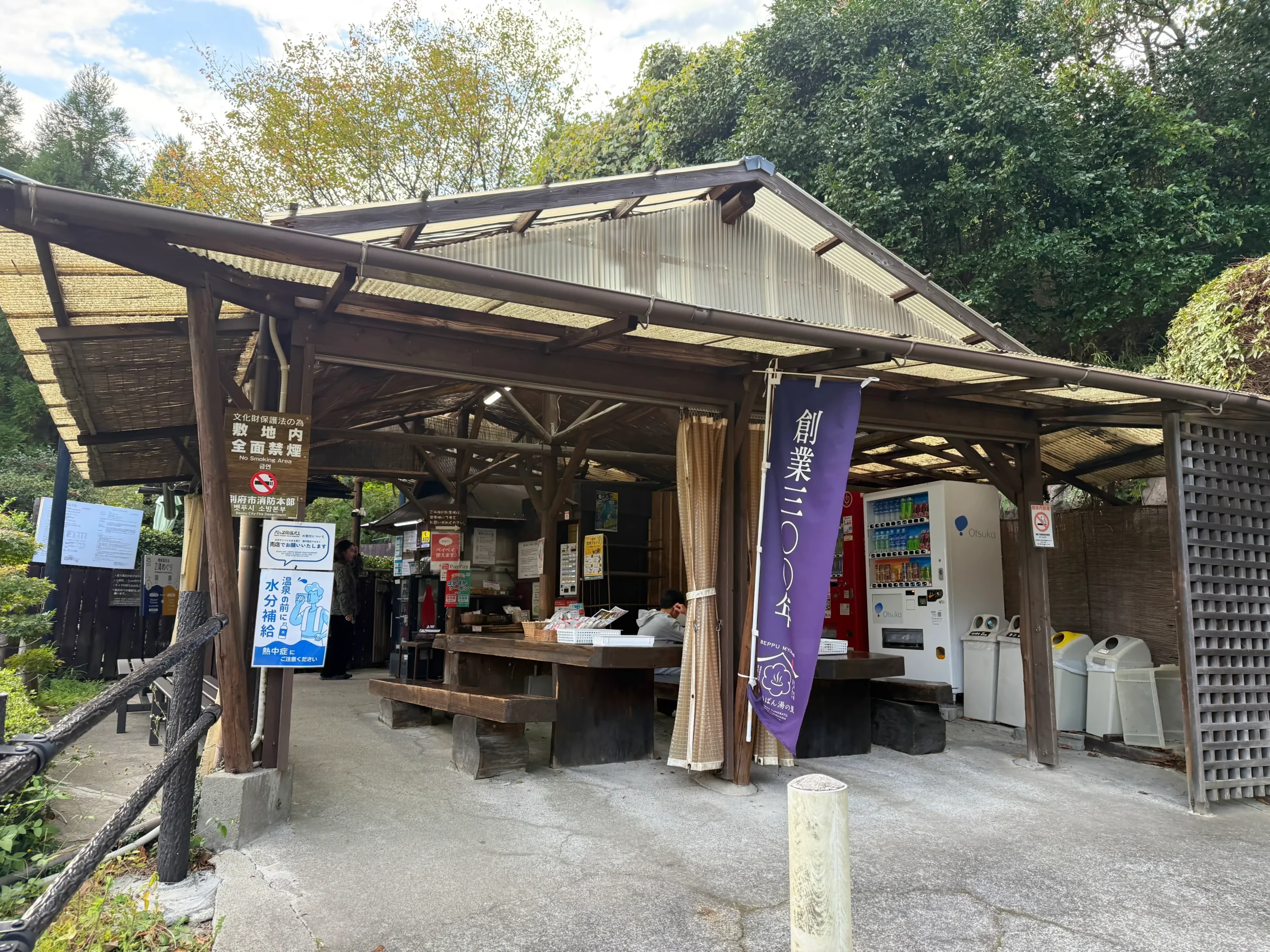
This time, rather than choosing a private family bath, I went into the large public bathing area, which has separate facilities for men and women.
Admission was ¥800 for an adult.
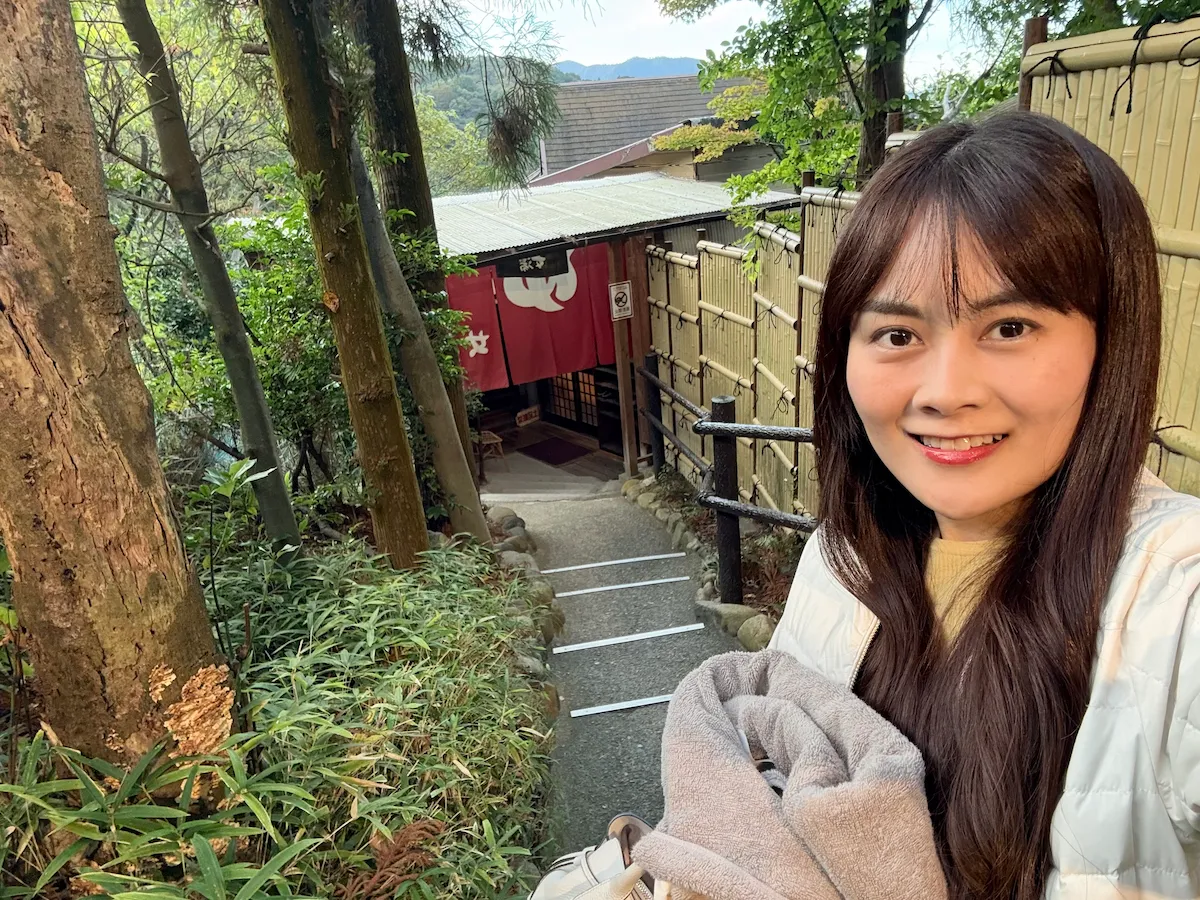
From reception, I followed a staircase surrounded by greenery down toward the baths.
With all that nature around me, it had the atmosphere of a traditional Japanese onsen. I couldn't wait to get in.
One Indoor Bath and One Outdoor Bath, with Beautiful Milky Water
There was one indoor bath and one outdoor bath in each gender-separated bathing area.
What especially caught my attention was the cloudy, milky-white water in the outdoor bath.
It looked like a classic sulfur hot spring.
Once I got in, the temperature was just right, and the water felt wonderful.
Relaxing in a sulfur hot spring surrounded by nature felt like such a luxury.
It was one of those moments that made me glad I'd come all this way.
No Shampoo or Conditioner: Washing Your Hair Can Be Inconvenient
One thing I think visitors should know in advance is how the washing area works.
When I visited, body wash was provided, but shampoo and conditioner were not.
To wash, I had to mix hot and cold water in a basin to get the temperature I wanted.
I found that setup a little inconvenient for washing my hair.
Personally, I'd recommend washing your body and focusing on the hot spring itself rather than planning to wash your hair here.
The facilities are quite different from those at a modern spa or bathhouse, so it's useful to know what to expect.
Warm All Over After About 20 Minutes—and the Warmth Lasted
What stayed with me most was how thoroughly the water warmed my body.
I've visited quite a few hot springs over the years, but the water here felt especially powerful to me.
Rather than somewhere I'd want to soak for a long time, it seemed like the sort of onsen where even a relatively short bath was plenty.
For me, about 20 minutes felt just right.
I thought I might get overheated if I stayed much longer, so I decided to get out.
But even afterward, I felt warm all over, and that warmth lasted for a surprisingly long time.
I even felt as though the discomfort in my shoulders had eased a little!
I've enjoyed many hot springs, but very few have left such a strong impression on me for the way I felt afterward.
I genuinely loved the experience.
And all of that for just ¥800.
It reminded me once again of just how wonderful Beppu's hot spring culture is.
Appropriate bathing time varies with the water temperature and your health. My 20-minute soak was a personal experience, not a recommended duration for everyone. Avoid staying in too long and drink enough water.
Things to Know Before Visiting, Especially for Older Travelers
There are a few practical things I noticed during my visit.
Parts of the grounds have slopes, stairs and gravel paths.
There are also stairs on the way to the large outdoor bath, so anyone with limited mobility should take care and consider whether the route is manageable.
Sulfur hot spring water can also discolor metal jewelry.
It's a good idea to remove rings, necklaces and other accessories before bathing.
As I mentioned, the water felt quite intense to me in terms of how warm I became.
Even when a bath feels wonderful, it's best to avoid staying in too long and pay attention to how your body feels.
Souvenir Shopping: Yunohana Bath Products and Skincare
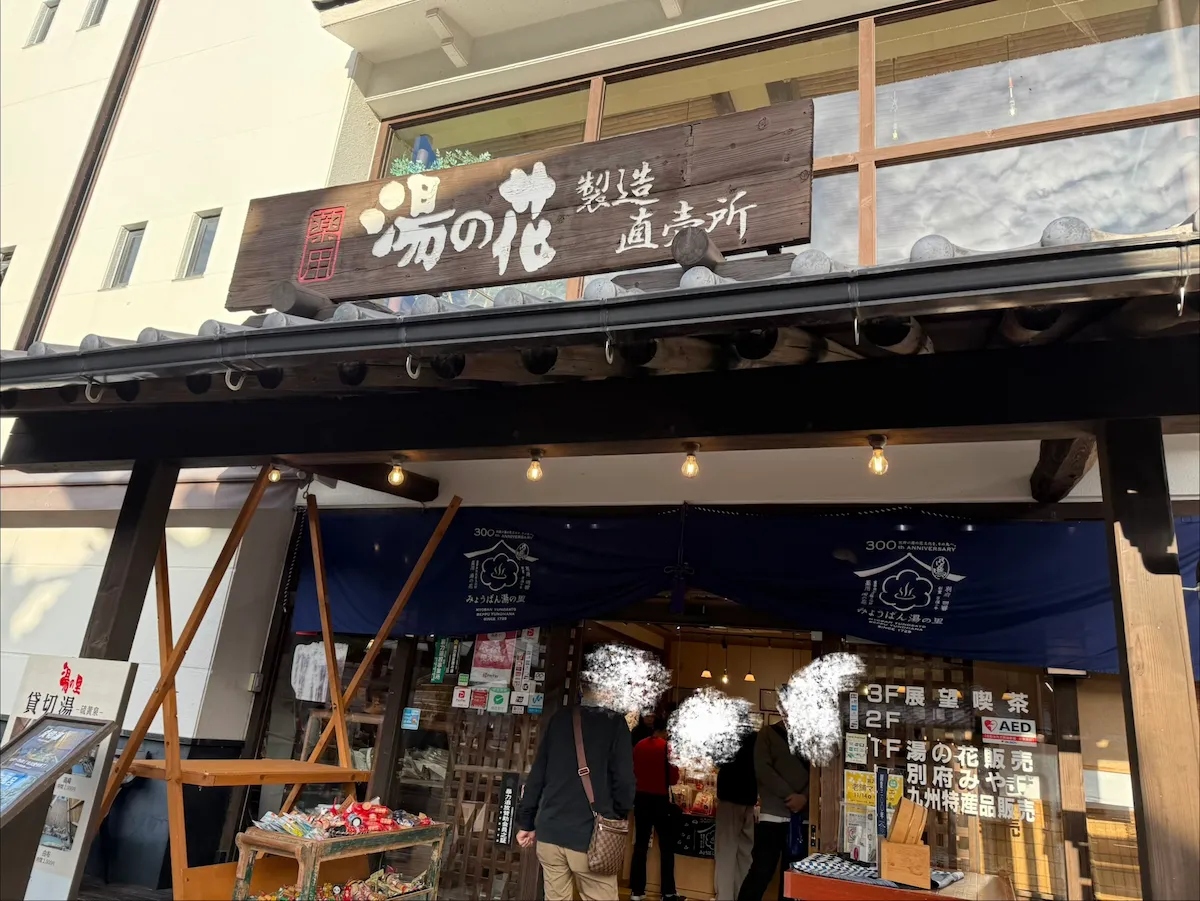
After the bath, I headed to the souvenir shop.
Myoban Yunosato has a direct-sales shop for Yunohana products, and the selection of souvenirs was surprisingly varied.
I was particularly interested in products made with the area's traditional Yakuyo Yunohana.
There were bath products as well as plenty of skincare items containing Yunohana-derived ingredients.
After such a lovely hot spring experience, it was tempting to bring a little of that onsen feeling home with me!
Local Oita Seasonings, Sweets and Tableware
The shop sold much more than hot spring products.
I also found dressings and other seasonings made with ingredients from Oita, along with sweets and tableware.
There were so many local products that I enjoyed browsing even without buying anything.
It's a fun place to look for something that feels distinctly Oita.
Soft-Serve Ice Cream After the Onsen—or Okamotoya's Famous Pudding
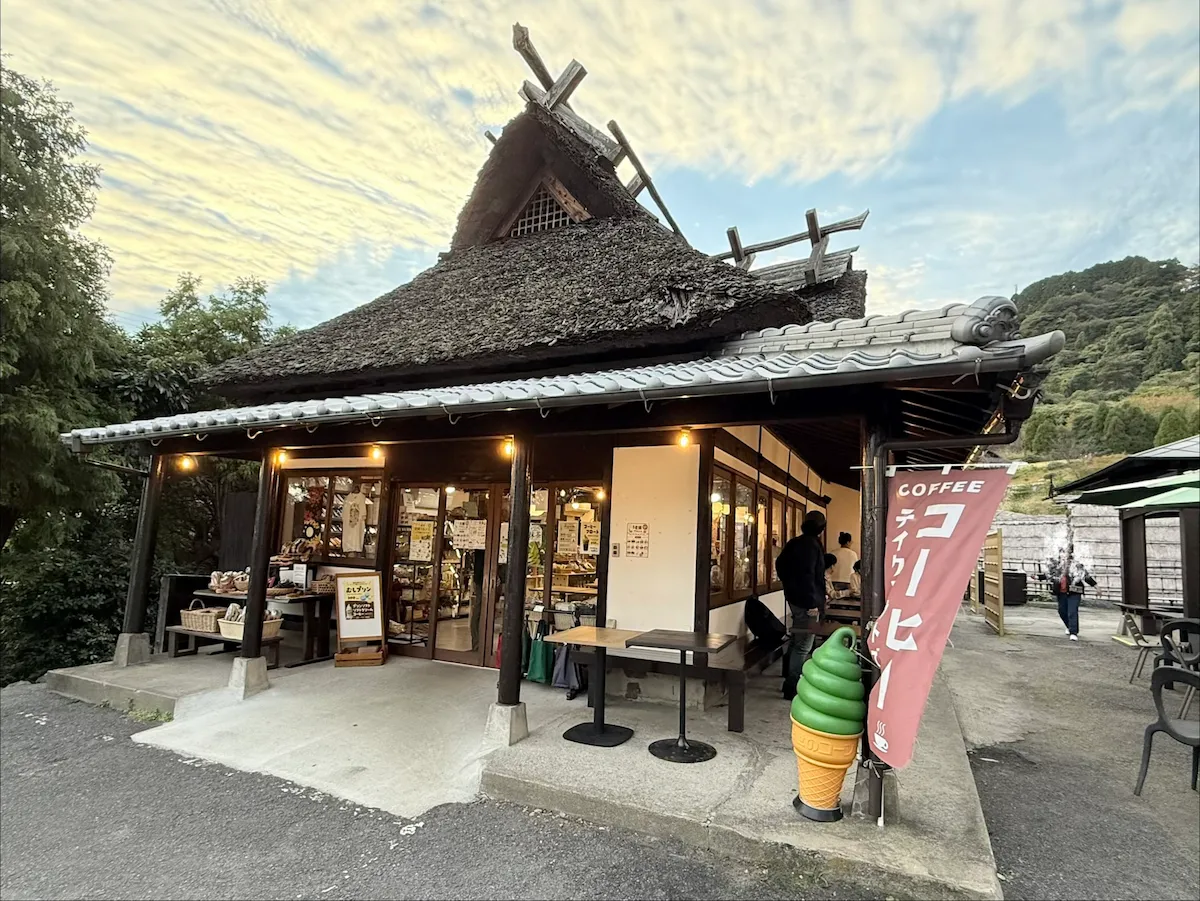
After soaking in a hot spring and getting thoroughly warm, doesn't something cold sound appealing?
There's a shop at Myoban Yunosato selling soft-serve ice cream and other treats.
I imagine ice cream would taste especially good after a hot spring bath.
Another nearby place I'd recommend is Okamotoya Baiten.
It's known for Jigoku Mushi Pudding, or “hell-steamed pudding,” one of Beppu's local specialties.
I actually visited Okamotoya on a previous trip.
Its pudding has a traditional, firm texture, rich egg flavor and fragrant caramel sauce.
The view of the rising hot spring steam from the shop was lovely too.
If you're making the trip to Myoban Onsen, combining an onsen visit with one of Beppu's famous desserts sounds like a wonderful idea.
I've written more about Okamotoya in my previous article about exploring Beppu's famous hot spring “hells.”
▼ Read more
READ MORE
-

-
Beppu Hells Tour Without a Car: Kamado, Oniyama & Shiraike Jigoku
Our Oita trip continued with a short train ride from Oita Station to Beppu. It takes only about 15 minutes by train from Oita Station to Beppu Station. From there, we used local buses to visit Okamotoya Shop for its famous Jigoku Mushi Pudding and several stops on the Beppu Hells Tour, or Jigoku Meguri. Beppu has a useful local bus network, so you can enjoy many of the major sightseeing spots without renting a car. This is especially convenient if you do not drive in Japan or simply prefer not to worry about parking and navigation. ▶Find hotels near ...
続きを見る
Taking the Sonic Limited Express Back to Oita Station
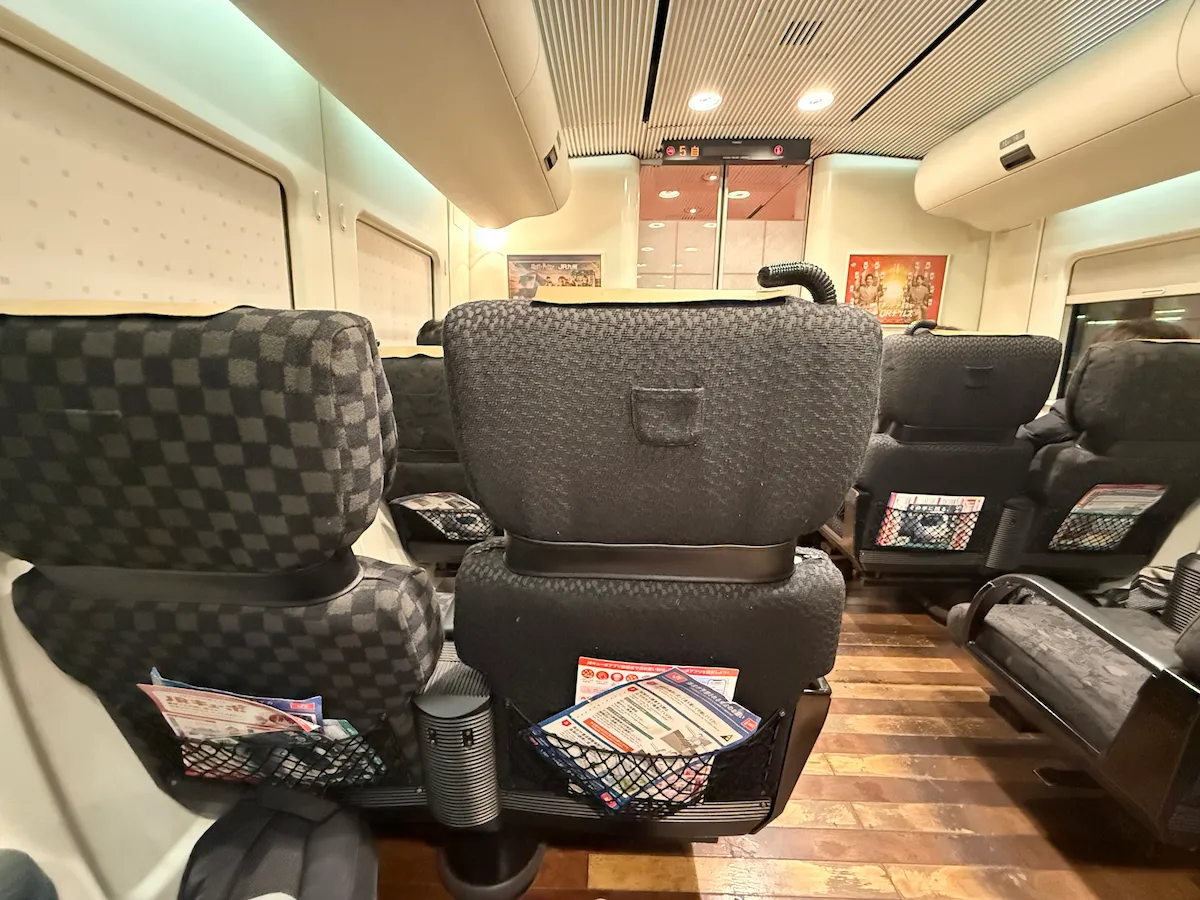
After enjoying Myoban Yunosato, I took the bus back to Beppu Station.
For the final leg of the journey, I took the Sonic Limited Express.
It takes about eight minutes to travel from Beppu Station to Oita Station by limited express.
It costs a little more than a regular train, but the shorter journey is convenient.
The comfortable train interior was especially welcome after a day spent sightseeing and walking.
I was back at Oita Station before I knew it.
Keep in mind that you need a limited express ticket in addition to the basic train fare when traveling on the Sonic.
Myoban Yunosato: Admission, Opening Hours and Access
Bath Admission Fees
| Category | Price (Tax Included) |
|---|---|
| Adults | ¥800 |
| Children (Ages 4 Through Elementary School) | ¥400 |
Private family baths cost extra. Please check the official website for current prices.
Opening Hours
- Large outdoor and indoor public baths: 10:00 AM–8:00 PM (last admission 7:00 PM)
- Private family baths: 10:00 AM–7:00 PM (last admission 6:00 PM)
- Yunohana hut visits: 9:00 AM–5:30 PM (free)
- Souvenir shop: 9:00 AM–6:00 PM
Opening hours may change due to weather or other circumstances.
Address, Transportation and Parking
Myoban Yunosato
- Address: Myoban Onsen 6-kumi, Beppu, Oita Prefecture, Japan
- Phone: +81-977-66-8166
- About 15 minutes by car from JR Beppu Station
- About 6 minutes by car from Beppu Interchange
- Parking: 80 spaces (free)
By Bus
From JR Beppu Station, take a Kamenoi Bus service toward Ritsumeikan Asia Pacific University (APU), or another service that stops at Jizoyu-mae.
Get off at Jizoyu-mae and walk for about three minutes.
On my visit, I traveled from Umitamago Aquarium to central Beppu and transferred to another bus near the Tokiwa department store.
Bus routes and timetables can change, so check the latest information before traveling.
Myoban Yunosato Official Website
Final Thoughts: One of My Favorite Hot Springs in Beppu
My visit to Myoban Yunosato turned out to be even better than I'd expected.
Between the thatched-roof huts reminiscent of Shirakawa-go and the steam rising against the mountains, the scenery alone felt worth the trip.
But what impressed me most was how good the hot spring felt.
For me, about 20 minutes in the milky-white sulfur water was enough to leave my whole body warm, and the warmth stayed with me long afterward.
I've visited many hot springs, and this has become one of my personal favorites.
To enjoy a hot spring like this for just ¥800—Beppu really is amazing!
There's more to do than bathe, too. You can visit the traditional Yunohana production huts, try the hand bath and browse the souvenirs.
There are some slopes and stairs around the grounds, though, so older visitors and anyone who finds walking difficult should take things at their own pace.
If you're visiting Beppu and want a memorable, traditional sulfur hot spring experience, I'd definitely recommend Myoban Yunosato.
I'd love to return the next time I'm in Beppu.
Prices, opening hours and facility details reflect information from November 2026. Please check the official website for the latest information.